
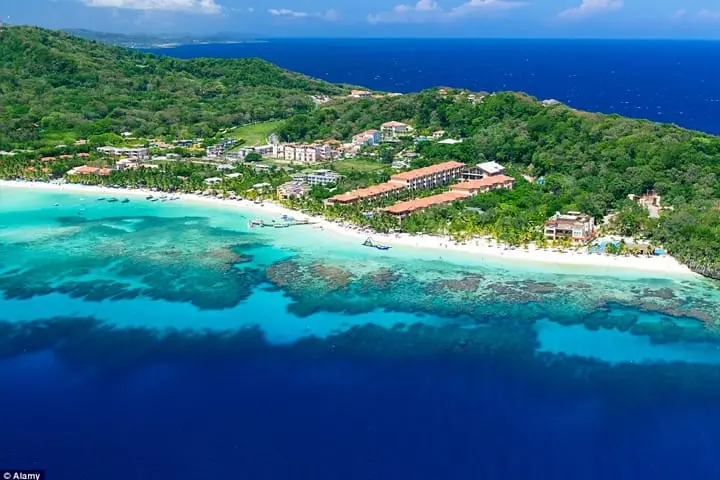
Roatan Island Awaits You: Visiting, Living and Investing
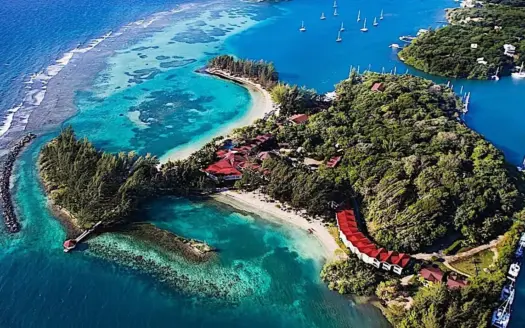
Roatan Island is the largest and most developed of the Bay Islands of Honduras, a small archipelago in the western Caribbean Sea. For many people it starts as a vacation and ends as a second home: that is why the market for Roatan real estate keeps attracting buyers from the United States, Canada and Europe. Here is what you should know about the island before you visit, invest or move.
Where is Roatan?
Roatan lies about 65 km (40 miles) off the north coast of Honduras. It is long and narrow: around 77 km (48 miles) from west to east and less than 8 km (5 miles) at its widest point. A road runs along most of the island, connecting the west end with the central towns and the quieter east end. Next to it are Utila, Guanaja and many small cays.
How to get there
- By plane: Juan Manuel Gálvez International Airport (RTB) has direct flights from several US cities and seasonal flights from Canada, plus domestic flights from San Pedro Sula, Tegucigalpa and La Ceiba.
- By ferry: the ferry from La Ceiba takes a little over an hour.
- By cruise ship: Roatan has two cruise ports, Mahogany Bay and the Town Center in Coxen Hole.
What makes Roatan special
The reef
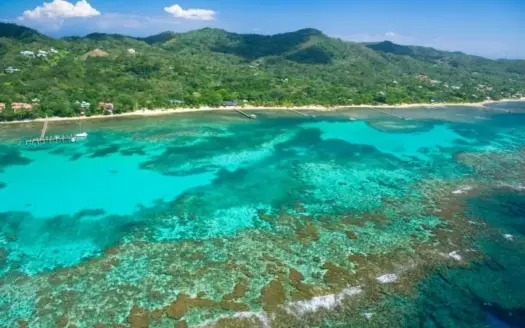
The island is surrounded by the Mesoamerican Barrier Reef, the second largest barrier reef in the world. Divers and snorkelers can reach beautiful reef walls just a few minutes from the beach, and the Roatan Marine Park works to protect it.
Beaches and nature
West Bay Beach is the famous postcard, but the island also has quiet bays, mangroves, green hills, botanical gardens and wildlife such as iguanas, agoutis and colorful birds.
Culture
Roatan is a mix of English-speaking islanders, Garifuna communities, Spanish-speaking Hondurans from the mainland and foreign residents. You’ll hear English and Spanish everywhere, and you can taste it in the food: fresh seafood, coconut bread, baleadas and Garifuna dishes. Learn more in our brief modern history of Roatan.
Things to do
Diving, snorkeling, fishing, kayaking, zip-lining, boat trips to the cays, island tours, sunset bars in West End and simple days on the beach. Many visitors come back every year and, sooner or later, start looking at property.
Living on Roatan
Daily life is relaxed but not primitive: there are supermarkets, hardware stores, banks, clinics, bilingual schools, restaurants and reliable internet in most areas. Imported goods cost more than on the mainland, while local food, labor and property taxes are relatively low. Many retirees and remote workers live on the island full time; others spend the winter here and rent their home the rest of the year.
Is it safe? We answer that question honestly in Is Roatan safe?
Buying property on the island
Foreigners can buy property in Roatan, with some rules about size for residential use (see Can foreigners buy property in Honduras?). Each part of the island has a different character: West Bay and West End for beach life and rentals, Sandy Bay for a quieter residential feel, French Harbour and the central area for services and value, and the east end for nature and privacy. Our Roatan neighborhoods guide compares them.
Roatan Island awaits you. Browse our Roatan properties for sale and for rent — lots, condos, homes and villas, many offered directly by their owners — and contact us if you have any question.
Updated 2026.